We use cookies on this site to enhance your experience.
By selecting “Accept” and continuing to use this website, you consent to the use of cookies.

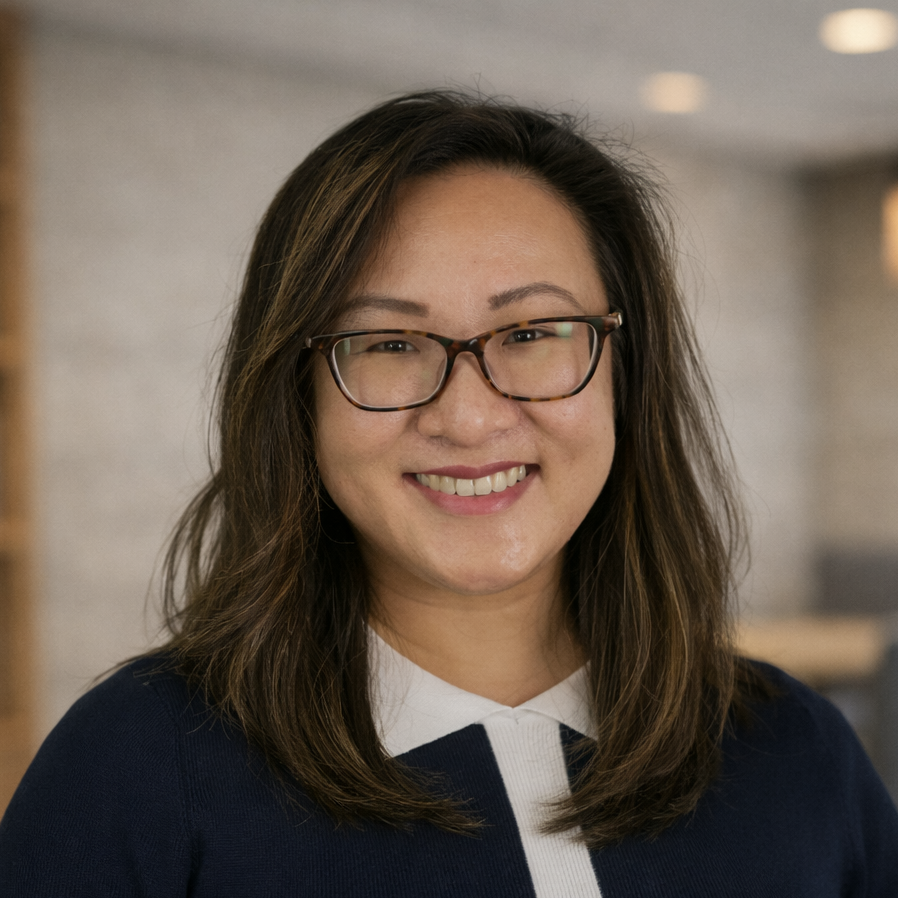
Ophelia Chang (MSc '17) is a Toronto‑based governance and risk professional, multidisciplinary artist, and community facilitator. She oversees the enterprise risk function, with a mandate that spans financial, operational, and technology domains, and contribute to strategic decision‑making as part of the extended leadership team. Ophelia currently serves on several boards and advisory committees, and has recently been approached for additional governance opportunities as she continues to expand her leadership portfolio. Alongside this work, she maintains an active arts practice centred on mixed‑media collage, poetry, and community‑rooted creative programming, with a commitment to bridging strategic leadership with accessible, community‑focused creative work — two areas that continue to inform and strengthen each other.
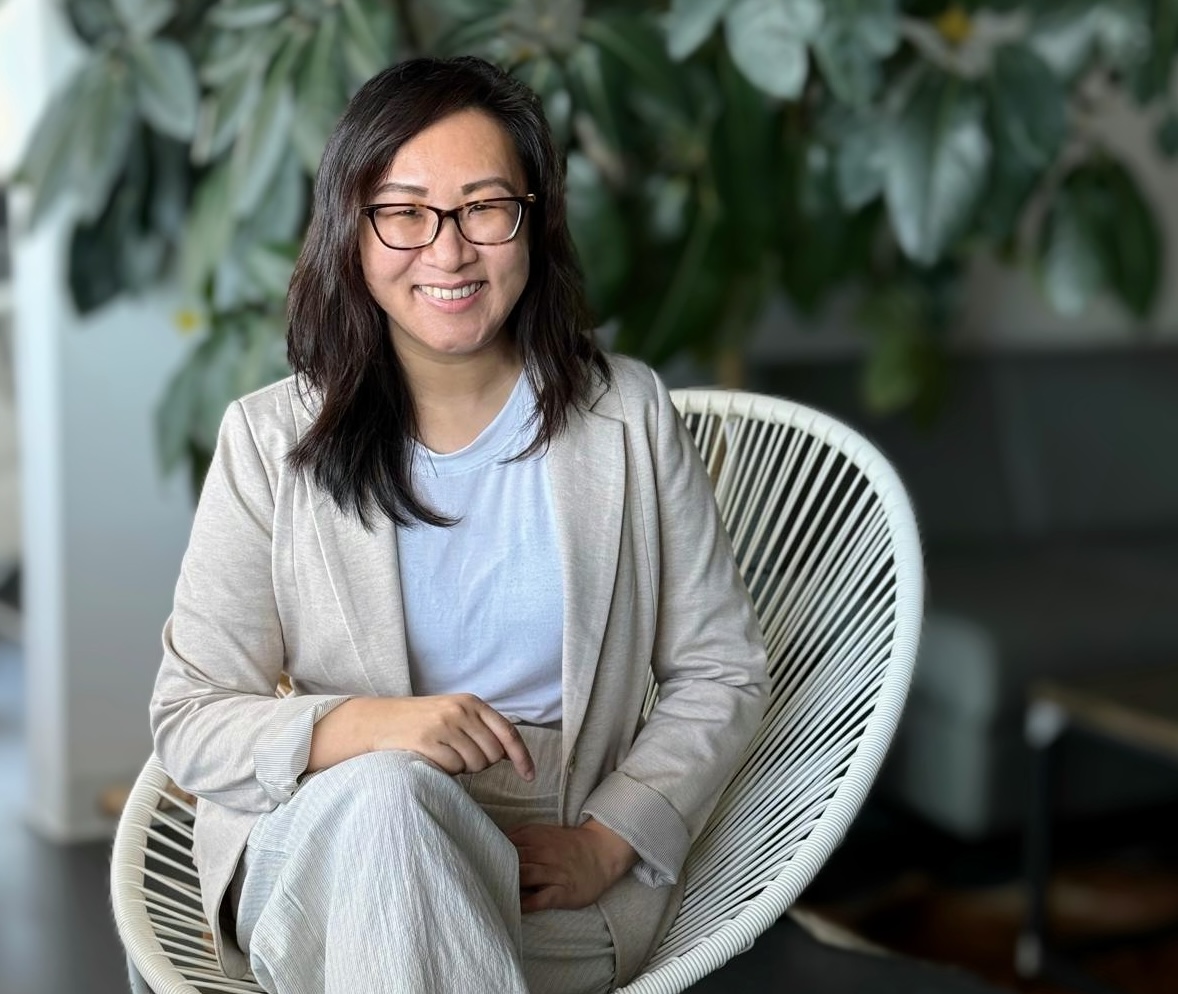
At the time, I was a mid‑career audit manager in a large organization, and I was looking for a program that would expand my thinking beyond technical audit work. I wanted to deepen my strategic perspective, strengthen my ability to navigate complexity, and build the interdisciplinary mindset essential for governance and risk leadership. Laurier’s Executive MSc — with its applied, MBA‑style structure, added research component, and focus on decision‑making in a technology‑enabled environment — offered exactly that. The intentionally small, curated cohort of senior leaders created an environment that was both rigorous and collaborative.
The diversity and seniority of the cohort had a significant impact. Every discussion brought together perspectives from operations, technology, entrepreneurship, marketing, and finance. That cross‑functional dialogue mirrored the dynamics of a boardroom and pushed me to think more broadly and strategically. It strengthened my ability to synthesize different viewpoints, ask better questions, and lead through ambiguity — all foundational to my work in governance and risk. I’ve always been drawn to environments where people bring different perspectives together to solve complex problems, and the program strengthened that instinct at a more strategic level.
In addition, the program intentionally built in small‑group lunch and dinner sessions with faculty to create space for deeper idea exchange. Those conversations, grounded in practical industry experience, focused on how strategic concepts translate into real organizational contexts. It was a structured way to broaden our perspectives beyond the classroom discussions.
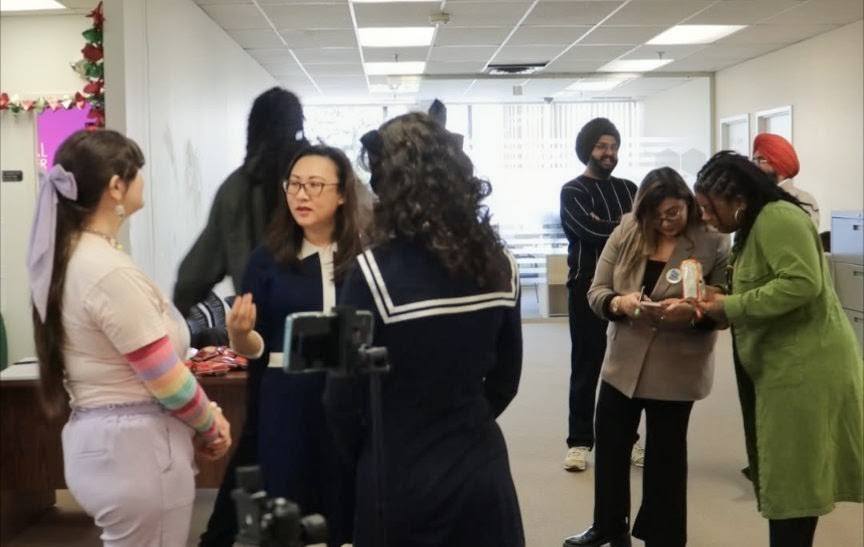
A highlight was the opportunity to bring real organizational challenges into the classroom and test them against the perspectives of peers operating at a high level in their own fields. Those conversations were energizing and often shifted how I approached my work. The clarity and confidence I gained through that process played a meaningful role in my progression into more senior governance and oversight roles after graduating.
The program reinforced the importance of clarity — in purpose, in process, and in communication. That principle guides how I approach governance, risk evaluation, and decision‑making. It’s a grounding framework I return to often, whether I’m supporting oversight work or leading community‑based initiatives.
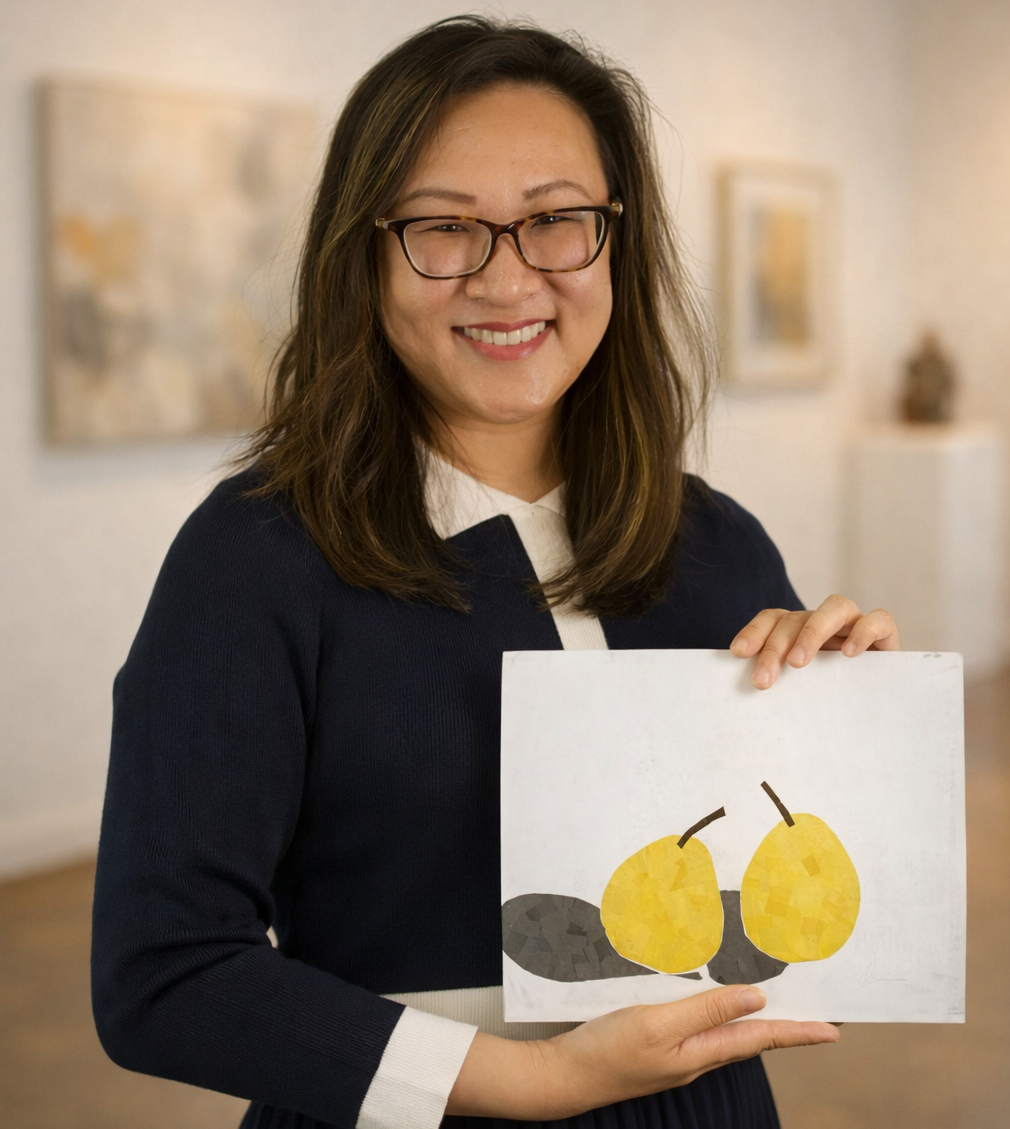
Your career doesn’t have to be linear. Some of the most meaningful opportunities I’ve had — in governance, risk, technology, and the arts — emerged from following curiosity and embracing interdisciplinary thinking. Your degree gives you tools, but your adaptability and perspective will shape your leadership.